PLATFORM & TECHNOLOGY
Technology Designed for Accountability and Scale
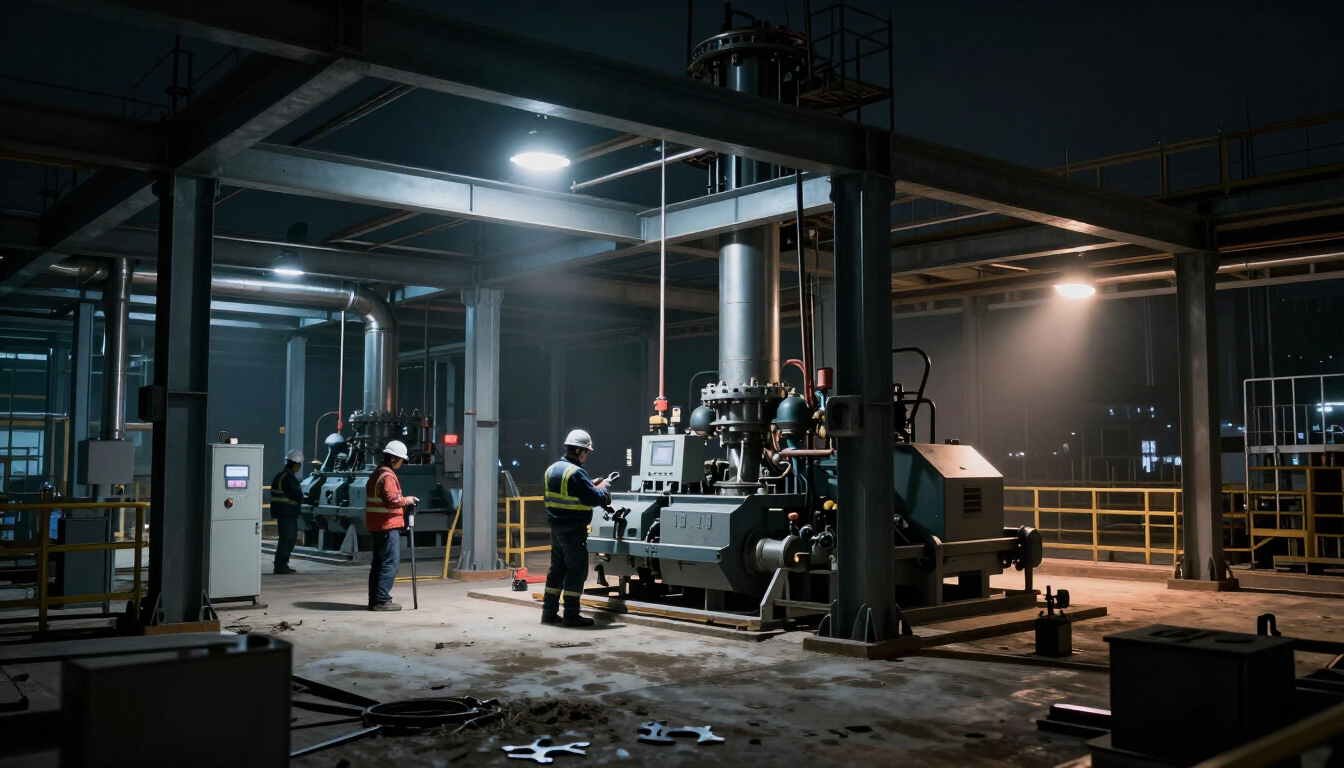
WEC is developing an integrated technology platform focused on industrial automation, real-time data collection, advanced process monitoring, and emissions visibility. These capabilities are designed to bring measurable accountability to waste conversion at industrial scale.
WEC's technology interests span artificial intelligence and machine learning applied to process optimization, environmental measurement systems for traceable resource recovery, and data infrastructure that can generate potential future carbon and sustainability value. The goal is a platform that is not only operationally capable but independently verifiable — a distinction that matters to regulators, partners, municipalities, and investors alike.
Technology focus areas include:
- Industrial automation and process control
- Real-time data collection and operational monitoring
- Emissions visibility and environmental measurement
- Artificial intelligence applied to process efficiency
- Traceable resource recovery and chain-of-custody data
- Carbon-value infrastructure and sustainability reporting
Technology systems are under active development. Certain capabilities described represent planned or in-development features and are subject to successful commissioning, regulatory approvals, and future technical milestones.

INTELLECTUAL PROPERTY
Protecting What We Build
WEC is actively developing and protecting proprietary systems, business methods, processing approaches, and intellectual property that form the foundation of its competitive platform. This includes trade secrets, proprietary operational know-how, data systems, and commercial strategies developed through significant investment of time and resources.
The Company's IP protection posture is a deliberate strategic decision. Detailed engineering parameters, processing conditions, system architecture, operational recipes, software configurations, and specific technical methods are not published or disclosed publicly. WEC believes that maintaining confidentiality over its core systems is essential to preserving long-term competitive advantage.
WEC intends to continue developing, expanding, and formalizing its intellectual property portfolio as the platform matures. Investors, partners, and regulatory stakeholders are encouraged to engage through official channels for any questions related to the Company's technology and IP strategy.
This section contains general information about WEC's IP strategy and does not constitute disclosure of any specific patent, patent application, trade secret, or proprietary technical detail.
PLATFORM DIFFERENTIATORS
Built for Streams Others Won't Touch
WEC's platform is specifically designed to address difficult-to-process waste streams that conventional recyclers, haulers, and disposal operators are unable or unwilling to handle at scale. This positions WEC at the intersection of waste infrastructure, circular manufacturing, energy production, and environmental technology — a combination that creates structural differentiation and reduces direct competitive overlap with commodity recycling.

Difficult Waste Streams
WEC targets waste materials that are consistently rejected or avoided by conventional processors — creating a captive feedstock advantage in underserved segments of the waste market.
Intersection of Four Sectors
By operating at the convergence of waste infrastructure, circular manufacturing, energy production, and environmental technology, WEC participates in multiple large markets simultaneously rather than competing solely on commodity recycling margins.
Integrated Platform Design
WEC's approach integrates intake, processing, conversion, materials recovery, and environmental data into a single connected platform — designed for accountability, traceability, and multi-revenue operation rather than single-output disposal.
Environmental Accountability
The platform is designed to generate verifiable environmental outcomes — diversion tonnage, emissions reductions, material recovery rates — creating data assets that support regulatory compliance, carbon markets, and ESG reporting for customers and investors.
Scalable Infrastructure Model
WEC is building the platform with replication in mind. The operating model, technology stack, and commercial framework are designed to be deployed across additional facilities and markets without requiring complete redesigns.
Domestic Resource Recovery
In a global environment increasingly sensitive to supply-chain resilience, WEC's focus on recovering usable materials domestically positions the platform as a contributor to resource security as well as environmental improvement.
EXPANSION STRATEGY
Built to Expand
WEC is developing its platform with a phased expansion architecture — beginning with initial commissioning and scaling systematically through additional capacity, waste streams, and geographic markets. The model is designed to replicate, not just operate.
Phase 1 — Commission Initial Platform
Phase 2 — Scale Feedstock and Collection
Phase 3 — Develop Offtake and Product Relationships
Phase 4 — Add Processing Capacity
Phase 5 — Replicate in Additional Markets
Expansion milestones are targeted and planned objectives. Actual timing, scope, and feasibility depend on successful commissioning, available capital, regulatory approvals, commercial agreements, and market conditions. Forward-looking statements are subject to risks and uncertainties.
FREQUENTLY ASKED QUESTIONS
Platform Questions, Answered Directly
The following addresses common questions from investors, analysts, and prospective partners about WEC's platform approach, technology posture, and expansion strategy. For additional information, visit the Investor Relations section.
Why won't WEC publish detailed information about its technology and processes?
WEC's proprietary systems, processing methods, and operational know-how represent core competitive assets. Publishing engineering details, processing conditions, or system architecture would expose the Company to competitive risk and could jeopardize trade-secret protections. WEC discloses what is required by its public-company obligations and communicates strategically at a high level beyond that threshold.
How does WEC protect its intellectual property?
WEC employs a layered IP protection strategy including trade-secret management, confidential commercial agreements, controlled access to operational facilities and systems, and legal protections for proprietary business methods. The Company is actively developing and formalizing its IP portfolio as the platform matures. Specific patent claims or application details are not publicly disclosed at this time.
What makes WEC's platform different from conventional recyclers or waste processors?
WEC is specifically targeting difficult-to-process waste streams that conventional recyclers and disposal operators are unable or unwilling to handle. Additionally, WEC's integrated platform is designed to generate multiple types of value — recovered materials, potential energy products, environmental data, and sustainability attributes — rather than relying on a single output or disposal pathway.
Is WEC's expansion model proven?
WEC is currently focused on commissioning and validating its initial operating platform. The expansion model — which is designed to be replicable — is a strategic objective, not a completed track record. Investors should evaluate WEC as an early-stage platform company moving from development toward commercial operations, with expansion potential contingent on successful execution of initial milestones.
How can investors stay informed about WEC's technology and platform progress?
WEC communicates platform progress through public filings with the SEC, press releases, investor presentations, and updates through its Investor Relations section. Investors are encouraged to sign up for email alerts to receive notices of material developments as they are disclosed.
Does WEC work with third-party technology vendors or proprietary equipment?
WEC does not disclose specific vendor relationships, equipment configurations, or third-party commercial arrangements beyond what is required by public-company disclosure obligations. The identity of technology partners and suppliers is considered confidential commercial information.
INVESTOR RELATIONS
For detailed filings, presentations, and investor contact information, visit WEC's Investor Relations section.
This page contains forward-looking statements within the meaning of applicable securities laws. These statements involve known and unknown risks, uncertainties, and other factors that may cause actual results to differ materially from those expressed or implied. Forward-looking statements are based on management's current expectations and are subject to change without notice. WEC undertakes no obligation to update forward-looking statements except as required by law.