ENVIRONMENTAL IMPACT
Environmental Progress With Economic Purpose
WEC is building a platform where environmental outcomes and commercial performance are designed to reinforce each other. Diverting waste from landfills, recovering materials, reducing long-distance transportation, and creating measurable environmental attributes are not side effects of the WEC model — they are core to it. The same actions that reduce environmental harm are intended to generate economic value.
This page presents WEC's environmental thesis at a high level. Specific outcomes will depend on successful commissioning, commercial operations, and future expansion. All projections are subject to regulatory, operational, and market conditions.
LANDFILL DIVERSION
Diverting What Would Otherwise Be Buried
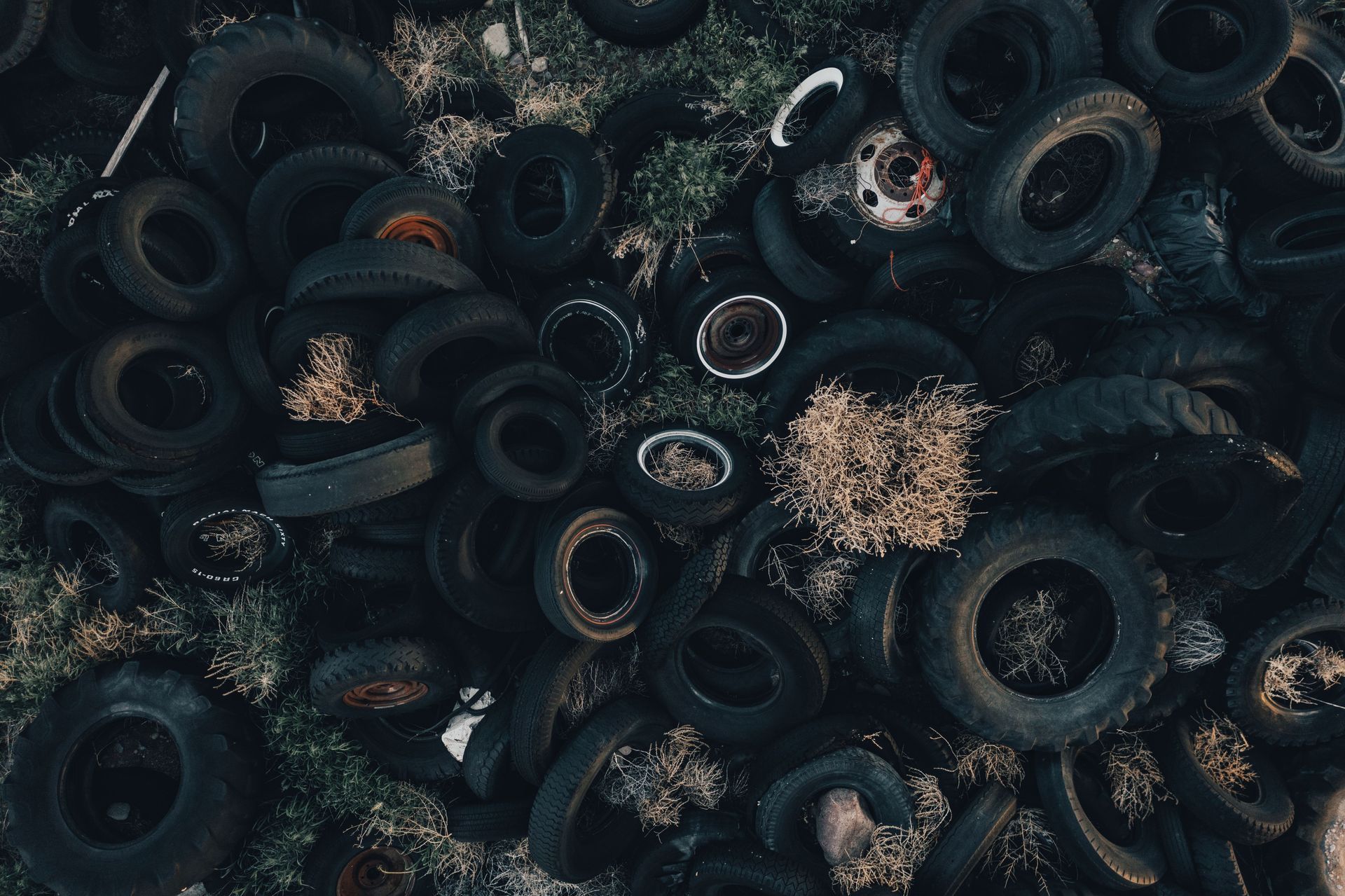
Every year, vast volumes of difficult-to-process waste — tires, industrial residues, mixed materials — are buried in landfills, incinerated, or transported thousands of miles at significant economic and environmental cost. WEC's platform is designed to intercept these streams before they reach disposal, converting what would have been a liability into a recoverable resource.
~2.2 billion tonnes
of solid waste generated globally each year
~40%
of global waste disposed of in landfills or open dumps
Hundreds of millions of tonnes
of difficult waste streams such as tires and industrial residues generated annually worldwide
"The same waste stream that represents a disposal burden to one industry is a potential feedstock for another."
CIRCULAR ECONOMY
Recovered Materials Supporting a Circular Supply Chain
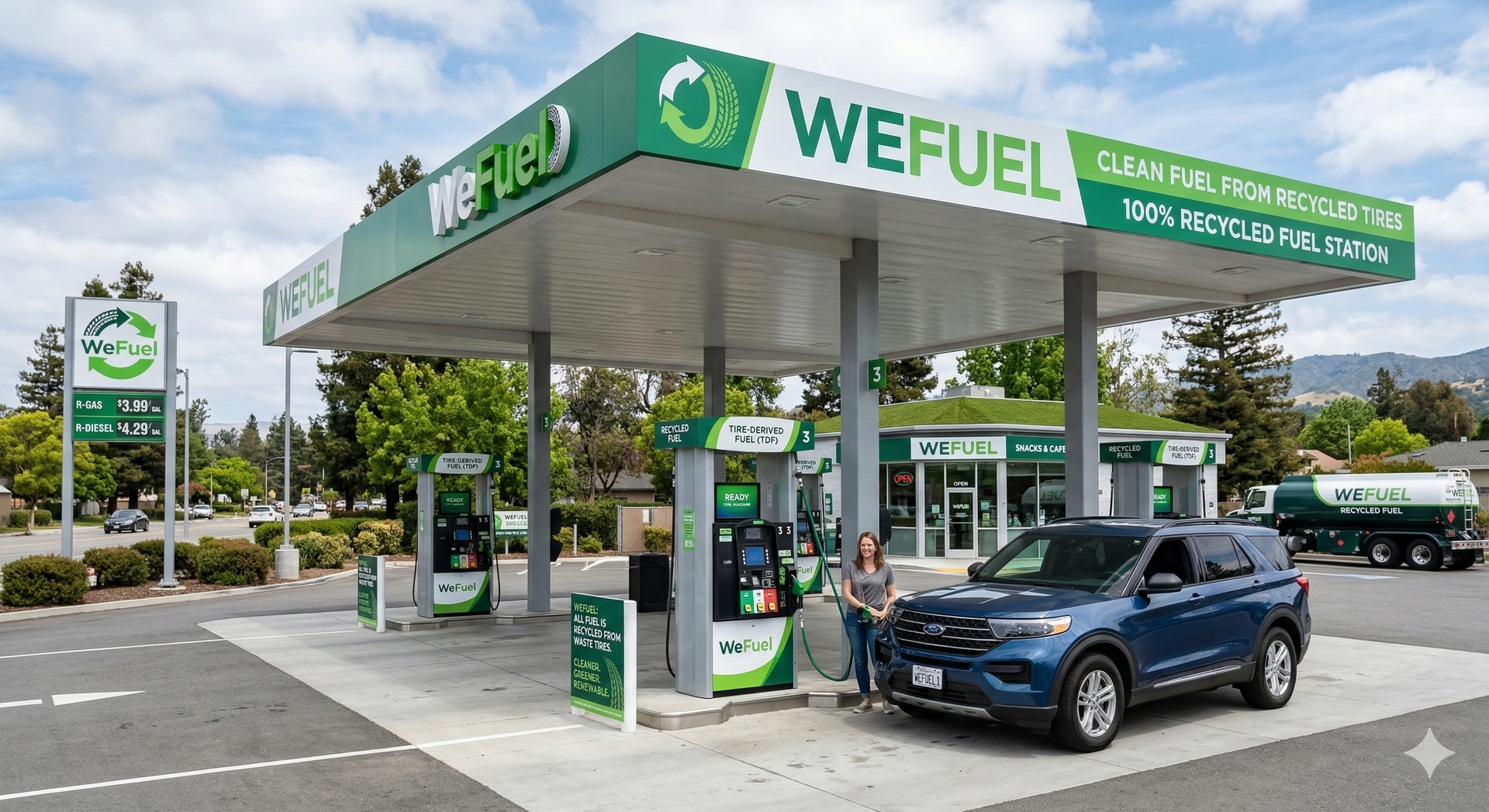
When waste streams are successfully processed and converted, the recovered outputs — materials, energy products, recovered carbon — can re-enter commercial supply chains as inputs. This is the circular manufacturing principle applied at industrial scale: reducing reliance on virgin-extracted resources, shortening supply chains, and creating domestic sources of recovered commodities that industries increasingly require.
WEC's platform is designed with this re-entry point in mind. Recovered outputs from WEC's processes are intended to be commercially usable — meeting specifications demanded by industrial buyers — rather than simply diverted. The environmental benefit of not burying material is amplified when that material re-enters productive use.
Potential circular outputs include:
- • Recovered carbon materials
- • Recovered fuel-grade products
- • Recovered metals and aggregates
- • Reduced demand for virgin-extracted resources
- • Domestic alternatives to imported industrial inputs
ENVIRONMENTAL ATTRIBUTES
Traceability, Measurement, and Future Environmental Value
WEC is developing systems intended to monitor, record, and report the environmental performance of its operations — including waste diverted, materials recovered, and emissions avoided. This data infrastructure is not only an operational tool; it is the foundation for potential future environmental attributes and sustainability credentials that industrial and institutional markets increasingly demand.
The following reflects areas of active development. Environmental attributes, carbon credits, and traceability certifications are subject to regulatory frameworks, third-party verification, and market conditions. WEC makes no representation that these outcomes will be achieved within any specific timeframe.
WASTE TRACEABILITY
Measurable Diversion
WEC is developing systems to document and report waste streams received, processed, and diverted from disposal — creating an auditable record of environmental performance over time.
EMISSIONS VISIBILITY
Process Monitoring
Industrial automation and data collection are being designed into WEC's platform with the goal of providing real-time visibility into emissions and environmental compliance metrics.
FUTURE CARBON VALUE
Emerging Opportunity
As carbon markets and sustainability reporting frameworks evolve, WEC believes its platform may be positioned to generate measurable environmental attributes with future commercial value. This opportunity is under development and subject to applicable regulatory and market conditions.
ESG ALIGNMENT
Environmental Performance as a Commercial Advantage
Corporate sustainability commitments, municipal procurement requirements, and evolving regulatory frameworks are converging to create durable demand for waste-diversion and resource-recovery infrastructure. Companies, governments, and institutions that generate difficult waste streams are under increasing pressure to demonstrate responsible disposal, material recovery, and emissions reduction — not as optional policies, but as operational requirements.
WEC's platform is designed to serve this demand directly. By offering a traceable, documented alternative to landfilling and long-distance transport, WEC is positioned to become a preferred infrastructure partner for waste generators who face ESG reporting obligations, sustainability targets, and stakeholder scrutiny.
The market forces driving ESG-aligned waste demand include:
- • Rising corporate sustainability disclosure requirements
- • Municipal and industrial landfill diversion mandates
- • Growing institutional investor focus on environmental governance
- • Regulatory pressure on difficult waste streams (tires, industrial residues)
- • Corporate net-zero and circular economy commitments
- • Demand for domestic, traceable resource recovery

The World Does Not Have a Waste Shortage. It Has a Resource-Recovery Opportunity.
WEC is working to build the infrastructure, technology, and commercial platform needed to transform overlooked waste streams into productive assets. Follow the Company's progress through public disclosures and investor communications.